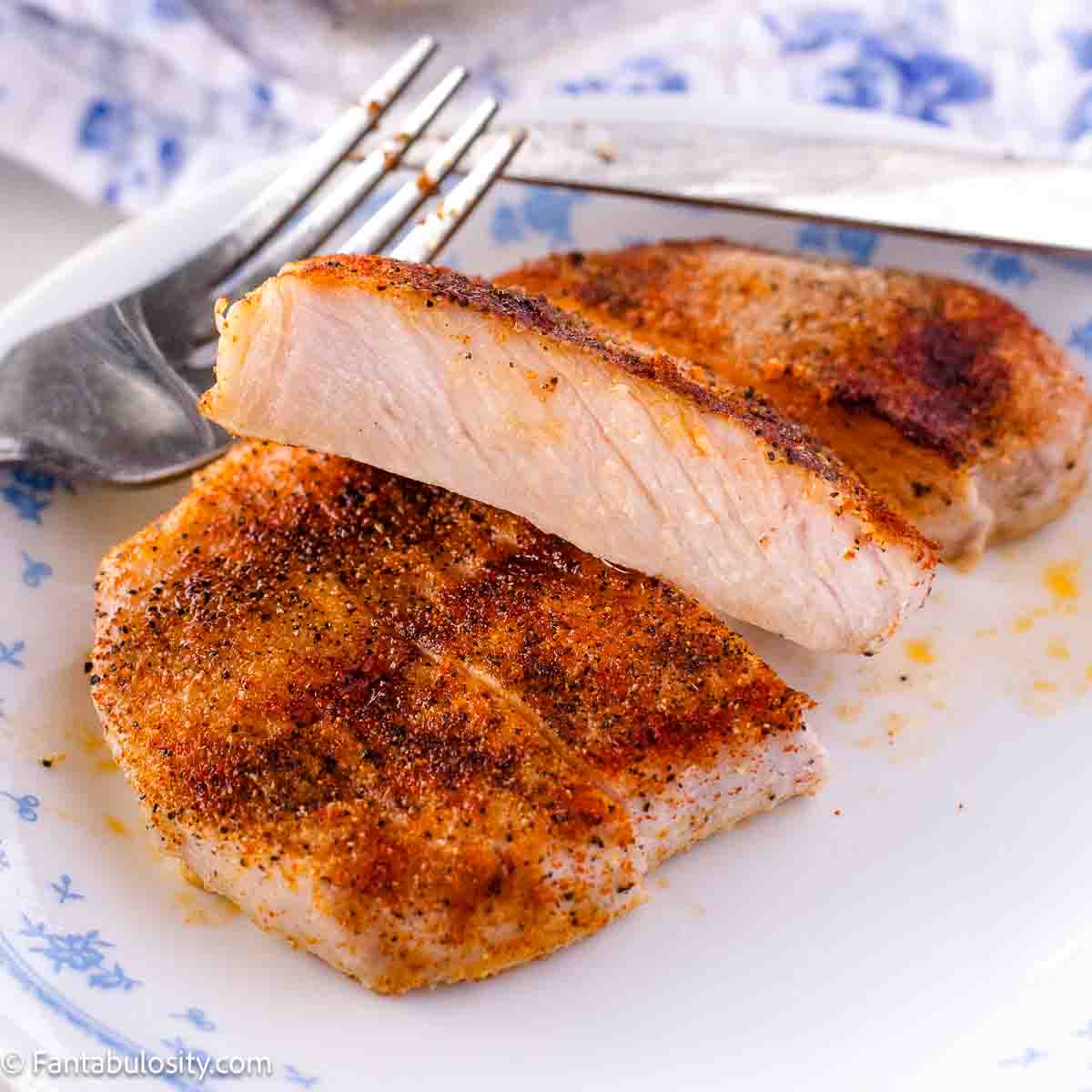
Bone-In vs. Boneless: Decoding Your Choice for the Perfect Pork Chop
Few dishes promise the comforting satisfaction of perfectly cooked pork chops, especially when they emerge from the oven golden-brown, irresistibly juicy, and tender. Yet, a fundamental question often arises even before the first spice hits the meat: bone-in or boneless? This choice significantly impacts not only cooking time but also the final texture and flavor of your meal. Mastering an oven baked pork chops recipe hinges on understanding these differences and tailoring your approach accordingly.
Whether you're a seasoned home cook or just starting your culinary journey, the quest for a foolproof method to achieve consistently delicious pork chops is universal. Forget dry, tough, or bland results; with the right techniques and a clear understanding of your cut, you're just 30 minutes away from a comforting meal that's sure to impress.
The Allure of Bone-In Pork Chops
For many chefs and home cooks, bone-in pork chops are the undisputed champions when it comes to flavor and moisture retention. The bone acts as a natural insulator, slowing down the cooking process slightly but ultimately helping the meat stay moister and more tender. As the chop cooks, the bone marrow and connective tissues release collagen, infusing the surrounding meat with deeper, richer flavors that are simply unmatched by their boneless counterparts.
When selecting bone-in chops for your oven baked pork chops recipe, look for thick-cut varieties, ideally 1 to 1.5 inches thick. This thickness provides a wider margin for error, preventing overcooking and allowing for that crucial sear that locks in juices. Good marbling – small streaks of fat within the lean meat – is another indicator of quality, promising a more flavorful and succulent chop. If your local supermarket doesn't carry thick, well-marbled bone-in chops, consider visiting a local butcher or specialty store like Costco, where you're more likely to find premium selections. Always check the packaging date to ensure maximum freshness.
The Convenience of Boneless Pork Chops
While bone-in chops offer superior flavor, boneless pork chops certainly have their place, especially for busy weeknights or those who prefer convenience. They cook faster and more evenly, making them a fantastic option for a quick oven baked pork chops recipe. The absence of bone also means easier slicing and serving, which can be a real plus when feeding a family or preparing meal preps.
The key to success with boneless chops is to choose them wisely. Opt for cuts that are consistently 1-inch thick, as this uniformity ensures even cooking. Thinner boneless chops are highly susceptible to drying out quickly. To combat the potential for dryness, boneless chops benefit greatly from a diligent pat-down before seasoning and a watchful eye on cooking times. They're excellent candidates for quick brines or marinades to enhance juiciness and flavor.
Making the Right Call for Your Oven Baked Pork Chops Recipe
Ultimately, the choice between bone-in and boneless comes down to personal preference and the time you have available. If you prioritize maximum flavor and succulence and don't mind a slightly longer cooking time, bone-in is your best bet. If speed, ease of preparation, and serving convenience are paramount, boneless chops can yield fantastic results when handled correctly. Both cuts, when prepared using the right techniques, can become the star of an easy oven baked pork chops recipe.
Crafting the Ultimate Oven Baked Pork Chops Recipe: The Core Method
The secret to transforming either bone-in or boneless cuts into perfectly juicy, tender oven baked pork chops recipe lies in a few simple, yet crucial, steps. This method is designed to eliminate guesswork, ensuring consistent perfection every time.
The Magic of a Simple Seasoning Blend
A well-balanced spice rub is the foundation of flavor for your pork chops. It adheres to the meat, creating a delicious crust and infusing every bite with aromatic goodness. Here's a versatile blend that combines sweetness, smokiness, and a bright finish:
- Garlic: Freshly minced garlic (4 cloves) offers an unparalleled pungency and aroma. If using garlic powder, use 1 tsp.
- Smoked Paprika: 1 tsp of smoked paprika provides a deep, earthy, and smoky note. Regular paprika works, but consider adding a pinch of chipotle powder for that desired smoky kick.
- Thyme: 1 tsp of dried thyme adds an herbaceous, slightly floral undertone. If you have fresh thyme, use 1 tablespoon of chopped leaves for an even fresher flavor.
- Salt & Pepper: 1 tsp salt and 0.5 tsp black pepper are essential for enhancing all other flavors.
- Brown Sugar: 1 tbsp brown sugar contributes a touch of sweetness that caramelizes beautifully during searing and baking, creating a desirable crust. If you're out, a drizzle of honey or maple syrup after baking can offer a similar contrast.
- Lemon Zest: 1 tsp of fresh lemon zest is a game-changer. It brightens the entire flavor profile, cutting through the richness of the pork and adding a vibrant aromatic lift.
- Optional Boosters: A splash of apple cider vinegar in the rub can add a tangy complexity, while onion powder (1 tsp) can deepen the savory notes.
Combine all these ingredients in a small bowl and mix until a uniform spice rub is formed. This blend is versatile enough for both bone-in and boneless pork chops.
Preparation Prowess: Pat, Rub, and Sear
These initial steps are non-negotiable for achieving tender, flavorful oven baked pork chops recipe:
- Pat Dry: Take 1.5 lbs of pork chops and pat them thoroughly dry on both sides with paper towels. This step is critical. Moisture on the surface prevents the spice rub from adhering properly and inhibits the formation of a beautiful, golden-brown crust during searing. A dry surface allows for the Maillard reaction (browning) to occur effectively, developing complex flavors.
- Generously Rub: Apply the prepared spice rub liberally to both sides of the dried pork chops. Don't be shy – really press the spices into the meat to ensure they stick. An even, thick coating guarantees maximum flavor infusion.
- Sear for Flavor and Juiciness: Heat 2 tbsp of olive oil (or canola, avocado oil) in a large, oven-safe skillet over medium-high heat until it shimmers. Add the seasoned pork chops to the hot pan, ensuring not to overcrowd it (cook in batches if necessary). Sear for 2-3 minutes per side, or until a deep, golden-brown crust forms. This initial sear is vital for two reasons: it creates an incredible depth of flavor and texture on the exterior, and it helps to lock in the juices, contributing to that coveted tender interior.
Oven Dynamics: Achieving Perfect Doneness
After searing, your pork chops are ready for the oven to finish cooking through gently and evenly.
- Transfer to Oven: If your skillet is oven-safe, simply transfer it directly to a preheated oven. If not, carefully transfer the seared chops to a baking sheet.
- Bake at the Right Temperature: Preheat your oven to 375°F (190°C). This temperature is ideal for gently bringing the chops to their final doneness without drying them out.
- Cooking Times:
- For 1-inch thick boneless pork chops: Bake for 8-12 minutes.
- For 1 to 1.5-inch thick bone-in pork chops: Bake for 12-18 minutes.
- Internal Temperature is Key: The definitive indicator of doneness is an internal temperature of 145°F (63°C) measured with an instant-read meat thermometer inserted into the thickest part of the chop, avoiding the bone. The USDA recommends this temperature for pork, ensuring it's safely cooked while remaining incredibly juicy and tender.
- Rest, Rest, Rest: Once the chops reach 145°F, remove them from the oven and transfer them to a cutting board. Tent loosely with foil and let them rest for 5-10 minutes. This resting period is absolutely crucial; it allows the juices to redistribute evenly throughout the meat, preventing them from escaping when you slice into the chop and ensuring maximum juiciness. This step is a secret to foolproof oven baked pork chops.
Elevating Your Oven Baked Pork Chops: Expert Tips and Tricks
- Consider a Brine: For truly exceptional juiciness, especially with boneless chops, a quick brine (1 hour in a solution of water, salt, sugar, and aromatics) can make a huge difference. It helps the meat retain moisture during cooking.
- Don't Overcrowd the Pan: When searing, ensure there's enough space between chops. Overcrowding lowers the pan's temperature, steaming the meat instead of searing it, which results in a less desirable crust.
- Thick Chops are Your Friend: Thicker chops (1-1.5 inches) are more forgiving and less prone to drying out. If you only have thin chops, reduce cooking time significantly and watch them closely.
- Finish with a Flourish: A pat of compound butter (mixed with herbs, garlic, or lemon zest) melting over the hot, rested chops can add another layer of richness and flavor.
- Serving Suggestions: These succulent pork chops pair beautifully with classic sides like creamy mashed potatoes, roasted asparagus, green beans, or a simple garden salad. For a unique twist, try serving them with baked apples or a tangy apple chutney.
Reheating & Storing Your Delicious Leftovers
Leftover pork chops can be just as delicious as when they were freshly made, provided they are reheated properly to maintain their tenderness and juiciness.
- Storage: Store cooked pork chops in an airtight container in the refrigerator for up to 3 days. For longer storage, freeze cooked chops for up to 3 months. Thaw overnight in the fridge before reheating.
- Reheating in the Oven: The oven is the best method for reheating pork chops as it gently warms them through without drying them out. Preheat your oven to a low 275°F (135°C). Place the chops in an oven-safe dish, potentially with a splash of broth or water at the bottom to create a little steam, and cover tightly with foil. Reheat for 10-15 minutes, or until just warmed through, checking the internal temperature to avoid overcooking.
- Avoid the Microwave: While convenient, microwaving often leads to dry, rubbery pork chops. Stick to the oven for optimal results.
Conclusion
Mastering the art of oven baked pork chops recipe is within everyone's reach. By understanding the nuances between bone-in and boneless cuts, utilizing a robust seasoning blend, performing a crucial pre-sear, and monitoring oven temperatures, you can consistently achieve chops that are moist, flavorful, and incredibly tender. Whether you opt for the deep flavor of bone-in or the speedy convenience of boneless, these techniques will transform a simple cut of meat into a memorable meal. So go ahead, choose your chop, fire up the oven, and prepare to enjoy perfectly cooked pork chops every single time.
